
CLAIM YOUR
Lucrative and Joyful Business
SO YOU CAN ENJOY A BETTER QUALITY OF LIFE
I have your roadmap to you profiting from your skills while being inspired to be the best version of you.
CLAIM YOUR
Lucrative and Joyful Business
SO YOU CAN ENJOY A BETTER QUALITY OF LIFE
I have your roadmap to you profiting from your skills while being inspired to be the best version of you.
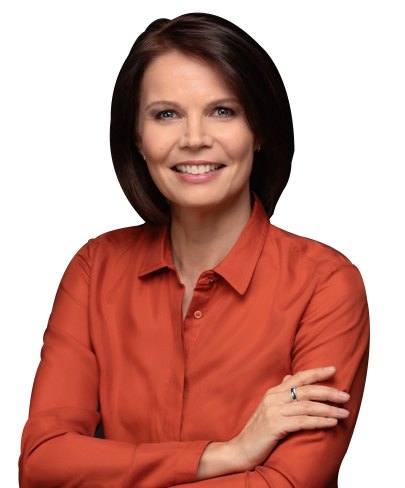
Within my programs, I help solo-entrepreneurs and small business owners to get their unique work out into the world in a compelling way and sell with authenticity – because most are feeling disconnected, overwhelmed, and overextended and they don’t know what to do about it.
So, I help them to let go of negative looping thoughts and beliefs, organize their marketing, and confidently express themselves through their business.
The bottom line is that my clients have a lucrative and joyful business so they can enjoy a better quality of life, truly feeling good about themselves.
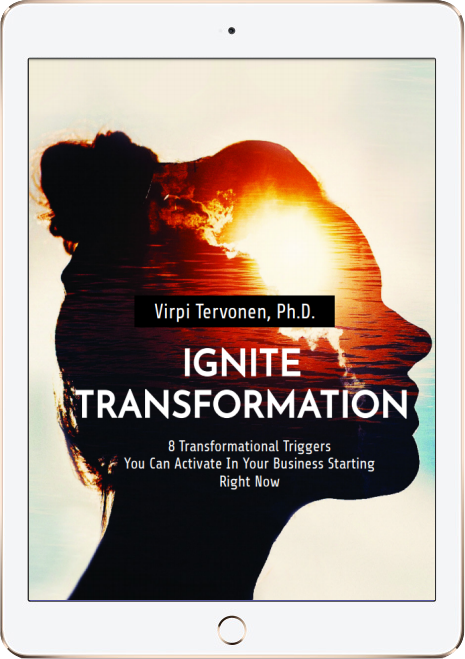
FREE DOWNLOADABLE ROADMAP
The journey to successful entrepreneurship is full of twists and turns. Many people are confused by how best to become a strategic minimalist, maximize their time, and get ever increasing results from ever shrinking effort – while delivering great value and have the peace of mind.
I have your roadmap to the breakthroughs in the areas that will make the most difference to you.
Over the 8 modules, you can use the same transformation triggers as my coaching clients to identify opportunities in your business.
Join me and discover the breakthroughs to transform your business this year.
Ready to Activate Your Transition?
WHICH PROFILE BEST DESCRIBES YOU RIGHT NOW?
You have a successful business but feel uncertain about how to get ahead and which decisions are right for you and your business. You want to create change but your overwhelming responsibilities limit your vision for the future because you are so busy, stressed and over-extended.
It’s time I coach you to how to discover the real value your time and invest your time, energy and focus in the activities that bring you towards your desired outcomes. You’ll learn how to take new challenges that highlight your expertise and successfully manage the ‘new normal’ both personally and professionally.
You’ve got some clients but your business is not where you want to be, regardless of your hard work. You’d like to get more clarity on your niche, create your own signature system and high-end packages, and have better client getting systems on place so that you’d attract the right kind of clients.
It’s time I teach you everything you need to know about discovering your 5-star clients and drafting your target market messages. You’ll also learn how to create high-value programs with clear pricing structure and conduct authentic sales conversations with confidence so you get ideal clients, all the time.
You know what you should do, but you don’t always get things done or you procrastinate because ‘something’ you can’t put your finger on is slowing you down or stopping you. Even if you are capable, you suffer from anxiety, fears, negative thought patterns, low self-esteem or lack of confidence.
It’s time I help you to do a psychological upgrade, shattering your subconscious assumptions about what you believe you want and deserve. You’ll discover and understand your your subconscious beliefs and transform and upgrade them so you can allow yourself to live and act from a higher plane.
Imagine
Imagine having your lucrative business that you really, really love.
I believe only in proven methods, systems and strategies that work time and time again, for any service-based business run by a solo-entrepreneur or small business owner.
What got you here, with the results you’re currently experiencing, won’t get you to where you want next.
That’s why I work with you and guide you, shoulder to shoulder, with a tailored approach that is designed to create the transformation you want.
Imagine

Imagine having your lucrative business that you really, really love.
I believe only in proven methods, systems and strategies that work time and time again, for any service-based business run by a solo-entrepreneur or small business owner.
What got you here, with the results you’re currently experiencing, won’t get you to where you want next.
That’s why I work with you and guide you, shoulder to shoulder, with a tailored approach that is designed to create the transformation you want.
What Clients Say



Meet The Creative Founder
VIRPI TERVONEN, Ph.D.
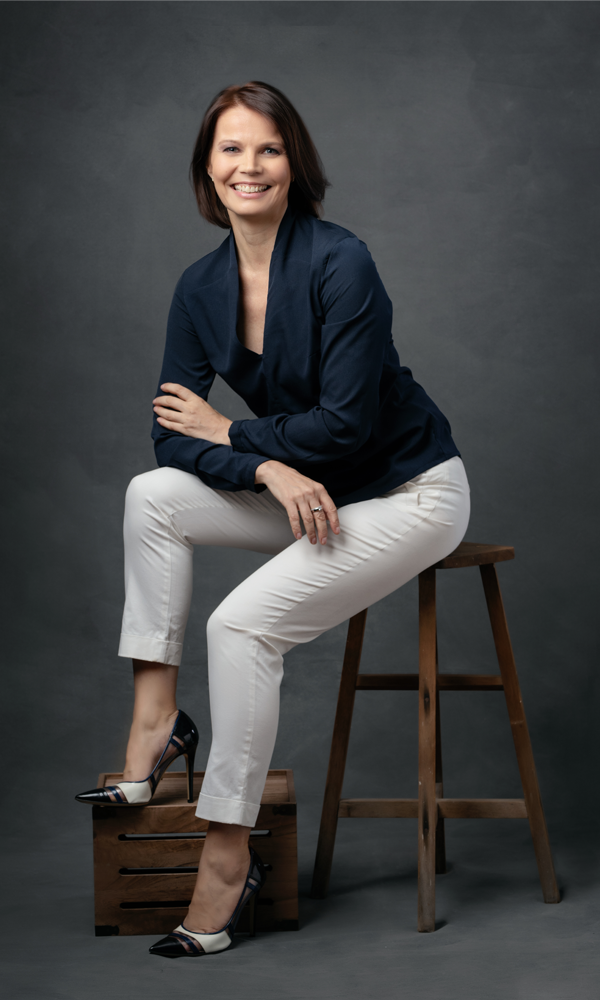
I’m recognized as a committed and knowledgeable advisor, mentor and coach to solo-entrepreneurs and small business owners and the founder of The Good Entrepreneur. I am also a mother to the most amazing daughter, who is the biggest blessing of my life.
I am a former BioMedical Research Scientist, and did my Ph.D. Thesis about molecular physiology of cardiac hormones. In addition to science, I love nature and animals, hiking, Latin dancing, movies, art and reading.
The legacy I am inspired to leave behind is improvements with systems and culture around women’s and children’s rights. This includes supporting as many women leaders as possible to strengthen their position in their community and society through their character and business so they can, in turn, empower many others.
You have known for some time that a transformation is needed for you to achieve the outcomes and goals you desire.
Free Business Articles
Discover more inspiration on the blog.
Hyper Achiever Impact on Stress
Stress impacts your mind's ability to be creative and resourceful in dealing with problems. Nothing new in that observation. But what makes some of us so attached to our performance that every time something goes wrong, we stress out way too much. Sometimes stress...
From Hyper Achiever to High Performer
Instead of being High Performers, many entrepreneurs are Hyper Achievers. “High Performance” is about consistently performing at your best. That is how you succeed beyond standard norms over the long-term. The “Hyper Achiever” trait - as surprisingly as it may sound -...
The liberating skill of Wanting What You Want
The greater freedom is a universal driver of every Entrepreneur I know of. For some time freedom is what they want the most, for others, it’s the freedom to choose the people they work with, others are driven by unlimited earning possibilities, some are driven by...
Join Us for Inspiration
I’ll be sharing strategies over email to help you shift your business perspective, give you better entrepreneurial coping skills, and improve your marketing and sales, all while moving towards your next milestone.
Join Us for Inspiration
I’ll be sharing strategies over email to help you shift your business perspective, give you better entrepreneurial coping skills, and improve your marketing and sales, all while moving towards your next milestone.

© COPYRIGHT 2019. ALL RIGHTS RESERVED.